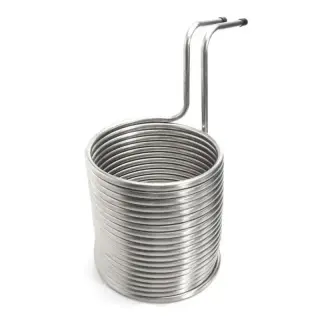
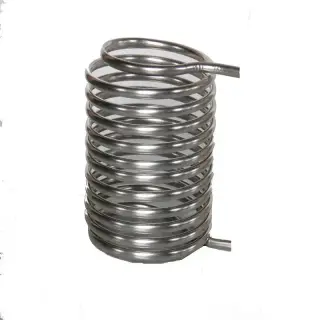
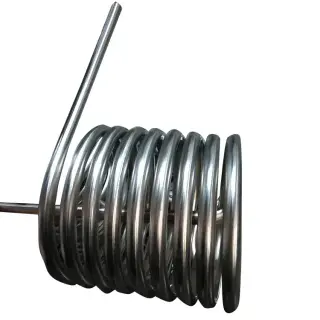
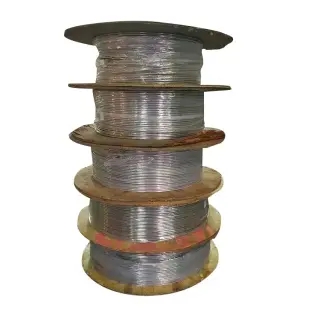
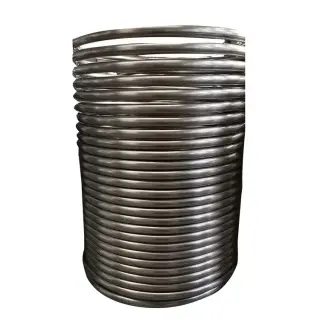
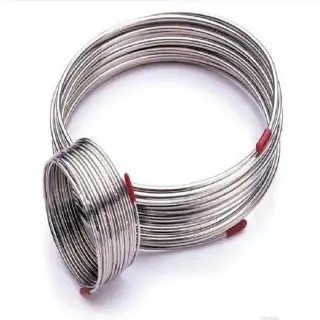
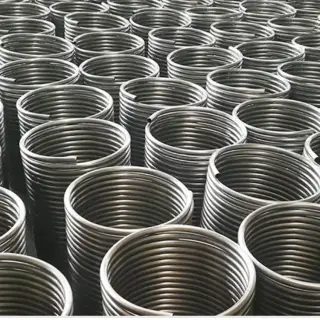
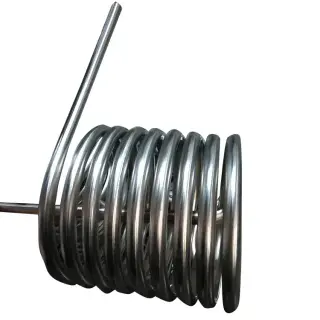
Stainless steel coiled tubes, also known as stainless steel coil tubing, are specialized tubular components crafted from stainless steel. These coiled tubes possess a distinctive structure that distinguishes them from standard straight tubes.
Coiled Configuration: Stainless steel coiled tubes are fabricated in a coiled shape, where they are wound into a spiral or helical form. This design imparts flexibility, allowing the tubing to be easily manipulated for diverse applications.
Seamless or Welded: Coiled tubes can be produced as seamless or welded, contingent upon the specific needs of the application. Seamless coiled tubes are often preferred for situations requiring high corrosion resistance and purity, whereas welded coiled tubes offer a cost-effective alternative.
Size Range: Coiled tubes are available in a wide spectrum of sizes, encompassing various outer diameters (OD) and wall thicknesses. The choice of size hinges on the intended use and the precise requisites of the application.
Stainless steel coiled tubes are predominantly fashioned from stainless steel due to its remarkable corrosion resistance and durability. Common stainless steel grades employed for coiled tubing encompass:
Austenitic Stainless Steel: Grades like 304, 304L, 316, and 316L are frequently chosen for applications necessitating corrosion resistance and sanitary properties.
Duplex Stainless Steel: Grades such as Duplex 2205 are prized for their heightened strength and corrosion resistance, making them apt for demanding environments.
Stainless steel coiled tubes discover utility in a myriad of industries and scenarios, including:
Heat Exchangers: Coiled tubes are indispensable in heat exchangers for efficient heat transfer, with prevalent use in applications like refrigeration, HVAC systems, and industrial processes.
Instrumentation: Coiled tubing plays a pivotal role in instrumentation systems, ensuring precise control and measurement of fluids and gases.
Hydraulic Systems: Hydraulic systems leverage coiled tubes for the transmission of hydraulic fluid power.
Chemical and Petrochemical Industries: Coiled tubing finds application in the chemical and petrochemical sectors for conveying corrosive chemicals.
Oil and Gas: In the oil and gas industry, coiled tubes are deployed in downhole applications, serving diverse purposes including logging and production operations.
Medical Devices: Stainless steel coiled tubing is integrated into medical devices and equipment, such as catheters and endoscopy instruments.
Space-Efficient Design: Coiled tubes occupy less space than their straight counterparts, rendering them apt for applications constrained by limited space.
Flexibility: The coiled configuration permits easy bending and maneuverability, fostering versatility across a range of applications.
Corrosion Resistance: Stainless steel coiled tubes exhibit exceptional resistance to corrosion, ensuring long-term durability.
High Purity: In industries like pharmaceuticals and food processing, coiled tubes can be fabricated to meet stringent purity standards, mitigating contamination risks.
Pressure Rating: Meticulous attention should be paid to the pressure rating of stainless steel coiled tubing to ensure compliance with application-specific requirements.
Cleaning and Maintenance: Depending on the application, coiled tubing may necessitate specialized cleaning and maintenance procedures to preserve its integrity.
In summary, stainless steel coiled tubes are versatile tubular components employed across diverse industries for their adaptability, corrosion resistance, and efficacy in heat transfer and fluid handling applications. The selection of coiled tubing hinges on the specific demands of the application and the chosen materials.